

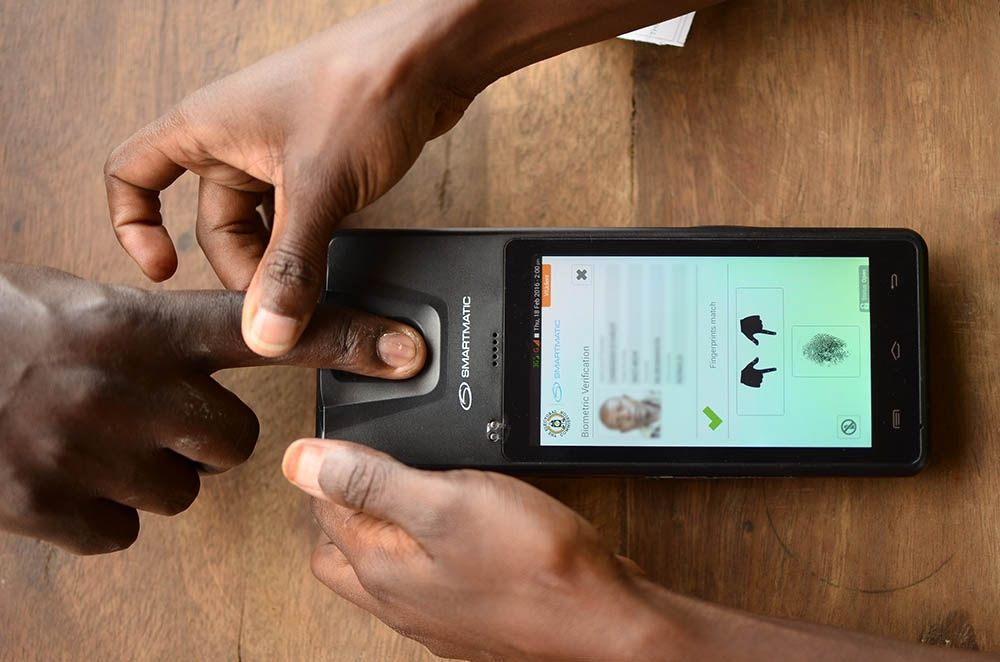
The government is facing criticism from the opposition over delayed regulations for the use of biometric voter verification (BVV) machines ahead of the 2026 elections.
The Leader of the Opposition, Joel Ssenyonyi, expressed frustration that the Ministry of Justice and Constitutional Affairs has yet to table the necessary regulations, despite pledges to do so in April.
“We have one month to the election, and the minister who sought supplementary funding to procure more biometric kits promised to bring regulations. They have not come,” Ssenyonyi said during Tuesday’s plenary sitting.
Other MPs echoed his concerns, questioning the government’s readiness to conduct credible elections without clear guidelines on biometric verification.
Attorney General Kiryowa Kiwanuka, however, dismissed these concerns, pointing to the existing Electoral Commission (Adoption of Technology in Elections) Regulations, SI No. 1 of 2021, which govern the use of technology in elections.
“The use of biometric technology is provided for in existing law,” Kiwanuka said. “Section 12 of the Electoral Commission Act empowers the Commission to postpone or halt an election in any area if circumstances warrant it. You have sufficient legal infrastructure to run these BVVKs.”
Kiwanuka added that the Electoral Commission would be invited to brief MPs on its preparedness to deploy the biometric machines.
The Electoral Commission has procured 109,142 biometric voter verification machines, with the first batch of 60,000 arriving on October 28, 2025, and the remaining 49,100 from China on November 29, 2025.
The commission plans to conduct a public demonstration of the machines to build stakeholder confidence.
As the January 15, 2026, election draws near, the debate over biometric voting regulations underscores the challenges facing Uganda’s electoral process.